Not Man vs. Machine—But Man With Machine
For decades, the fear was simple: robots would take our jobs.
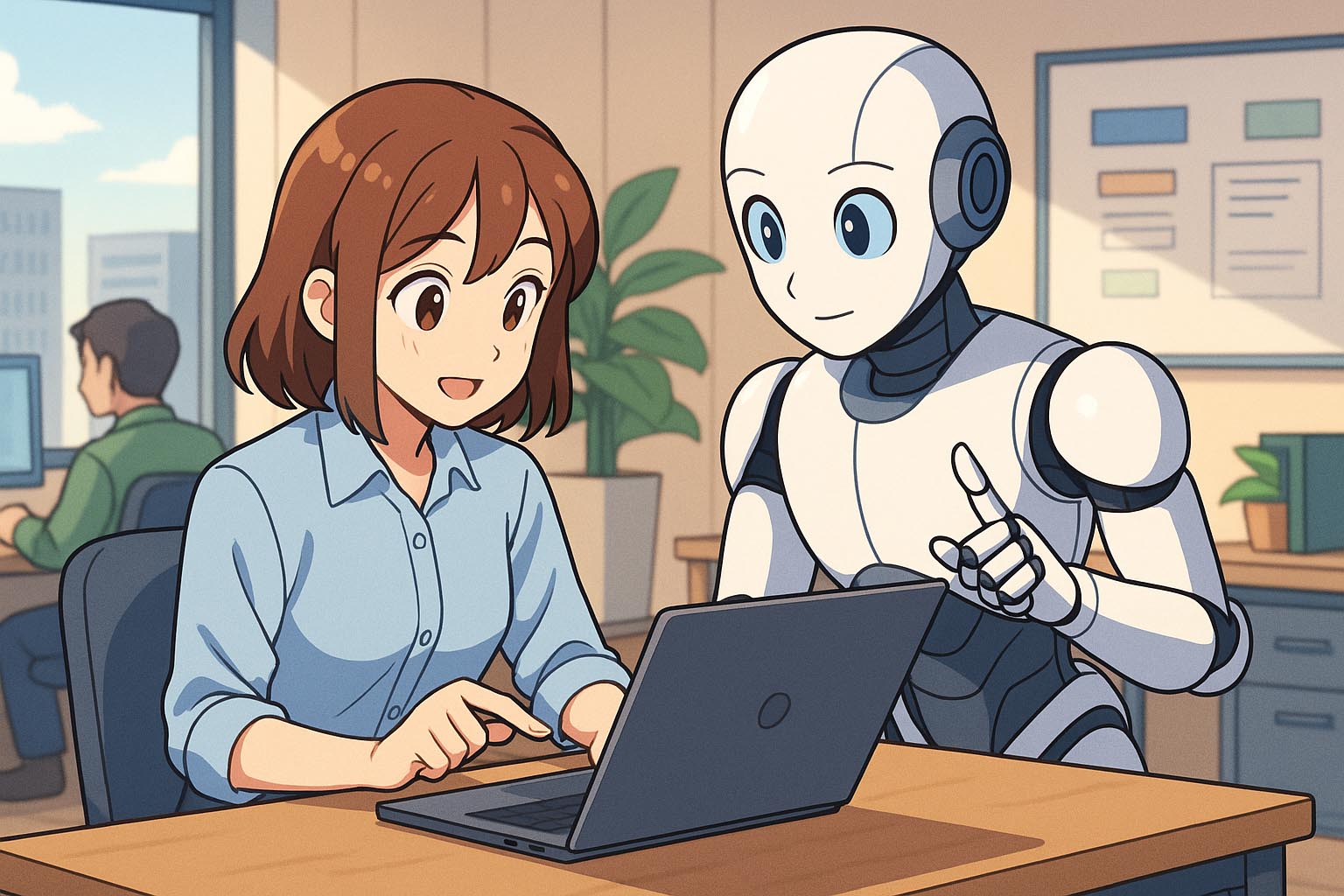
But in 2025, the narrative has shifted. Rather than replacing workers, robots are increasingly working alongside them—in warehouses, hospitals, design studios, and even remote offices. This paradigm is called Human-Robot Collaboration (HRC), and it represents a new era of productivity, safety, and shared intelligence.
Instead of fighting the machine, we’re partnering with it. This article explores how this collaboration is unfolding, what industries are embracing it, and what it means for the future of work.
Chapter 1: What Is Human-Robot Collaboration?
Human-Robot Collaboration (HRC) refers to a work environment where humans and robots operate together in a shared space or task, using complementary strengths.
Types of collaboration:
- Sequential: Robot does one part, human does the next
- Cooperative: Both work simultaneously on different aspects
- Responsive: Robot adapts to human actions in real time
- Assistive: Robot enhances or augments human capability
Examples:
- A warehouse picker guided by an autonomous cart
- A surgeon operating with a robotic arm
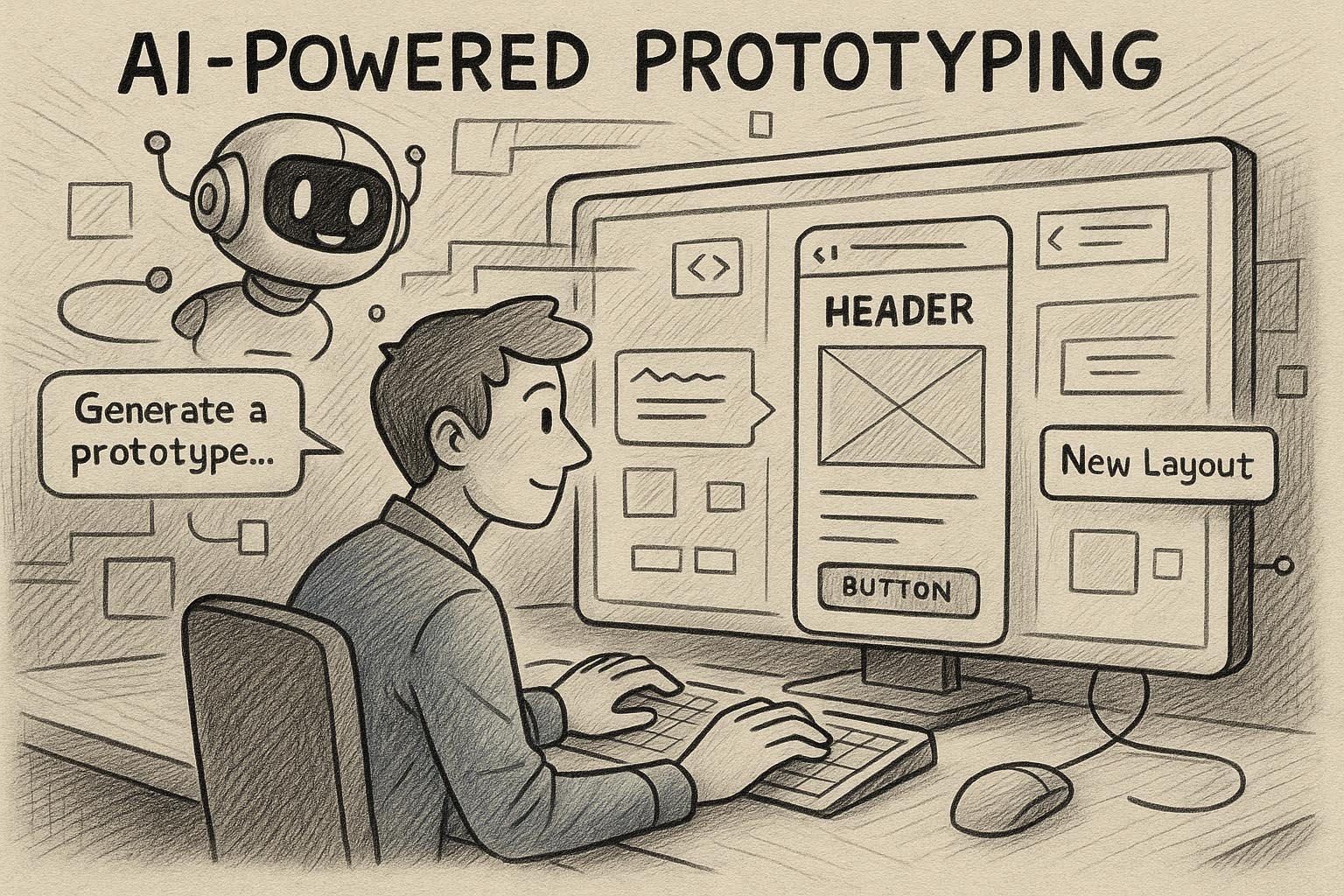
- A designer refining AI-generated layouts
- A factory worker assisted by an exoskeleton
It’s no longer “automation”—it’s augmentation.
Chapter 2: Why Human-Robot Collaboration Matters
HRC improves:
- ✅ Efficiency – Robots handle repetitive tasks, humans focus on complex ones
- ✅ Safety – Dangerous operations are offloaded to machines
- ✅ Precision – Robots reduce error rates in technical fields
- ✅ Speed to market – AI tools accelerate iteration and prototyping
- ✅ Job satisfaction – Humans are freed to do more meaningful, creative work
This collaboration allows businesses to scale with agility, while reducing burnout and injuries.
Chapter 3: Industries Leading the Way
1. 🏭 Manufacturing & Logistics
Cobots (collaborative robots) work on:
- Assembly lines
- Inventory management
- Quality control
- Palletizing and sorting
Example:
At BMW factories, cobots fit door seals while workers handle quality assurance—boosting speed and accuracy.
2. 🏥 Healthcare
Robots assist with:
- Surgical precision (e.g., da Vinci system)
- Hospital delivery (e.g., Moxi robot for meds)
- Disinfection
- Elder care (robots offering mobility and reminders)
Example:
In Japan, robotic nurses help the elderly with routine tasks while human caregivers focus on emotional support.
3. 🛒 Retail
Tasks shared with robots:
- Shelf scanning and restocking
- Smart fitting rooms
- Customer service chatbots
- Self-checkout and payment kiosks
Example:
SoftBank’s Pepper robot engages customers, while human staff handle more nuanced requests.
4. 💻 Tech & Design
AI-powered tools support:
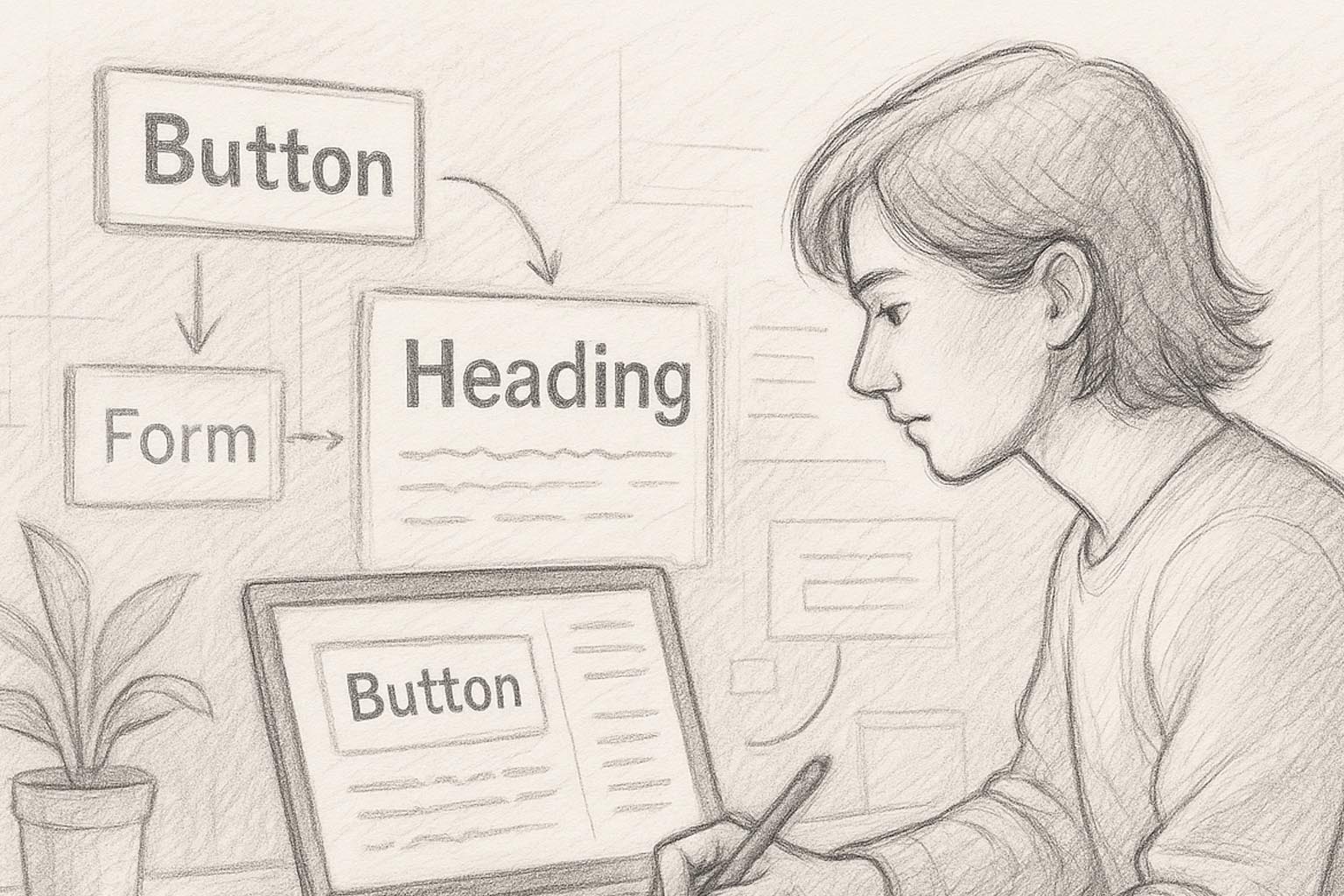
- UI/UX prototyping
- Code generation
- Graphic design inspiration
- Content writing
Example:
A creative team uses ChatGPT for content drafts and Figma AI for wireframes—while adding human polish and emotion.
5. 🚜 Agriculture
Agri-bots assist with:
- Seeding
- Harvesting
- Soil analysis
- Precision pesticide application
Example:
John Deere’s autonomous tractors collaborate with farmers to optimize planting based on AI analysis of soil data.
Chapter 4: Real-World HRC in Action
📦 Amazon Robotics
- Humans and robots move 300% more inventory together than humans alone.
- Kiva robots handle heavy lifting; humans handle decision-making and quality checks.
🧠 Brain-Computer Interfaces (Neuralink, CTRL-Labs)
- Prototypes allow humans to control machines with thought alone.
- A glimpse into future hands-free collaboration.
✈️ Boeing
- Cobots help engineers drill thousands of holes with high precision.
- Reduces strain and repetitive stress injuries.
Chapter 5: The Tools of Collaboration
To enable smooth HRC, companies invest in:
✅ Sensors & Computer Vision – Robots see and understand surroundings
✅ Natural Language Processing (NLP) – Voice commands and communication
✅ Haptic Feedback – Tactile interaction for better control
✅ Wearables & Exosuits – Enhance human strength and endurance
✅ AI & ML Algorithms – Allow robots to learn from humans over time
These tools turn robots from isolated units into collaborative teammates.
Chapter 6: Challenges of Human-Robot Collaboration
It’s not all smooth sailing. HRC also brings:
⚠️ Trust Barriers
- Humans must feel safe and confident around robots.
⚠️ Job Redefinition
- Some tasks disappear while others are transformed—leading to role anxiety.
⚠️ Ethical Concerns
- Who’s responsible if a collaborative robot causes harm?
⚠️ Technical Integration
- Interoperability and real-time sync are still evolving.
To succeed, HRC must be built on transparency, inclusivity, and ongoing training.
Chapter 7: The Psychology of Working With Robots
Studies show:
- People assign personalities to robots
- Trust increases with transparency and predictability
- Collaboration works best when robots are assistants, not overlords
Designers now consider:
- Voice tone
- Facial expression (if any)
- Anthropomorphic features
- “Body language” or movement style
A well-designed robot feels like a colleague—not a threat.
Chapter 8: Reskilling and the Future Workforce
To thrive in the HRC era, workers need:
- Digital literacy
- Human-AI communication skills
- Creative thinking
- Tech-augmented problem-solving
Emerging job roles:
- Robot workflow coordinator
- HRC safety officer
- Human-AI interaction designer
- Prompt engineer
- AI empathy trainer
Education systems and workplaces must reskill, not replace.
Chapter 9: The Vision of Tomorrow’s Workplace
Imagine:
- A designer brainstorming with an AI-powered visual assistant
- A construction worker wearing an exosuit to lift materials
- A surgeon operating with the help of a haptic-enabled robot
- A content team using AI to create drafts, while humans craft emotional resonance
This is the augmented workforce—where machines enhance, not eliminate, human value.
In 2030, it’s likely that most companies will have a blend of:
- Human employees
- Digital employees (AI agents)
- Robotic assistants
Work will be less about control and more about coordination.
Conclusion: The Human Touch Still Leads
While robots can lift, analyze, automate, and optimize—they still can’t empathize, imagine, or inspire.
Human-robot collaboration thrives when:
- Robots enhance human capabilities
- Humans guide machines with judgment and ethics
- Both parties learn from each other
The future of work isn’t robot-driven or human-only—it’s a partnership. And when done right, it’s not just efficient—it’s extraordinary.